
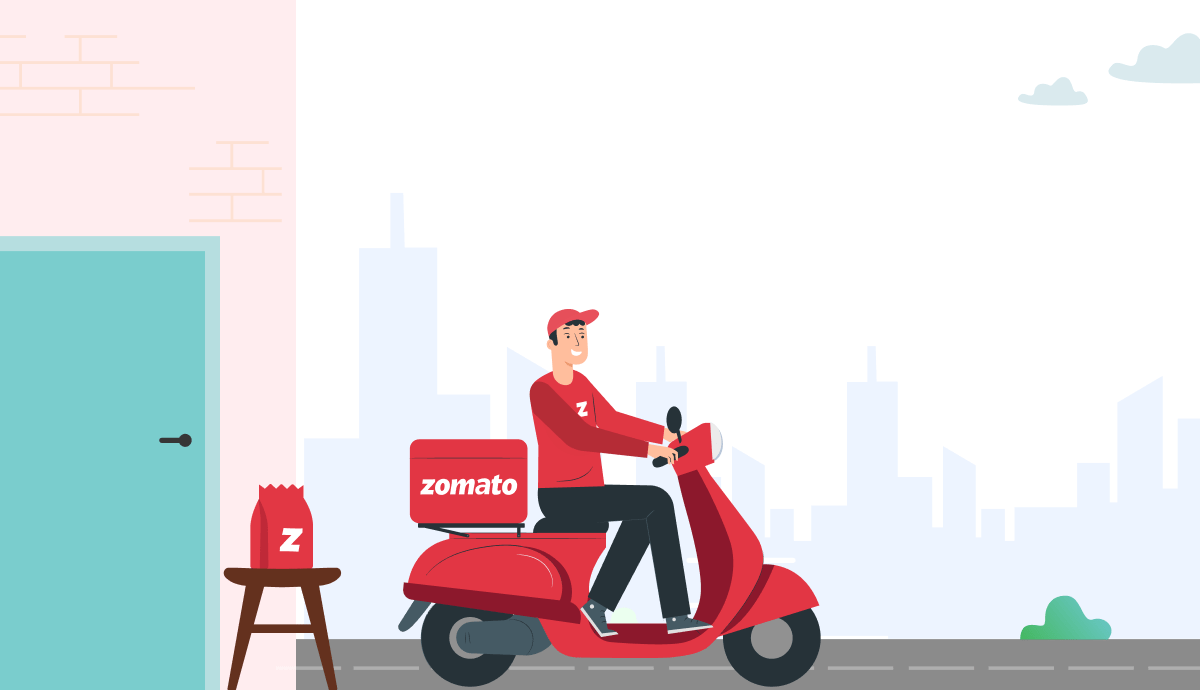
The Emerging Legal Framework for Gig Workers in India
India’s digital economy has accelerated the growth of platform-based work. App-driven services across mobility, food delivery, logistics, and professional freelancing have created a new workforce category known as gig or platform workers.
These workers typically operate outside the traditional employer-employee relationship. While the flexibility of gig work has enabled millions to participate in the labour market, the model has also raised serious questions around social security, income stability, and regulatory oversight.
Over the past few years, policymakers across India have started responding to these concerns. Several states have begun introducing legislation to create legal protections and welfare mechanisms for gig workers while preserving the flexibility of the platform economy. States such as Rajasthan, Karnataka, Telangana, Jharkhand, and Maharashtra are currently leading the regulatory shift.
These developments signal a major transformation in India’s labour law framework and could significantly affect the operational models of platform companies.
The Rise of the Gig Economy in India
India is one of the fastest-growing gig economies in the world. Government and industry estimates highlight this explosive growth:
| Timeline / Metric | Gig Worker Statistics |
|---|---|
| 2021 | Approximately 7.7 million gig workers |
| By 2030 (Projected) | May grow to over 23 million workers |
| Next Decade (Share) | Could represent 4–5% of the total workforce |
Sectors Driving Gig Work
- Ride-hailing and mobility platforms
- Food and grocery delivery
- E-commerce logistics
- Home services and repair marketplaces
- Professional freelancing platforms
Core Concerns with the Model
Digital platforms use algorithm-driven systems to match demand and supply, enabling flexibility. However, this has resulted in several concerns:
- Lack of social security benefits
- Fluctuating earnings and incentive structures
- Limited transparency in algorithm-based work allocation
- Arbitrary account suspension or deactivation
These issues have prompted governments to explore regulatory mechanisms that extend basic protections without converting gig workers into full employees.
State-Level Gig Worker Regulations
The Rajasthan Platform Based Gig Workers Act, 2023 marked a historic milestone.
- Welfare Board: Registers workers/platforms and addresses grievances.
- Welfare Cess: Platforms contribute 1% to 2% of transaction values.
- Benefits: Accident insurance, health coverage, welfare assistance.
The Karnataka Platform Based Gig Workers Act, 2025 significantly expands protections.
- Tripartite Board: Gov, workers, and platforms represented.
- Cess & Transparency: 1% to 5% welfare contribution; algorithm transparency required.
- Rights: Due process for deactivation; right to refuse tasks.
The draft Telangana Gig and Platform Workers Bill, 2025 aims to create a comprehensive safety net.
- Mandatory worker registration.
- Welfare fund contributions.
- Strong focus on accident insurance and social security schemes.
Introduced legislation to regulate workers and establish a welfare ecosystem, following a model similar to Rajasthan.
- Creation of a welfare board.
- Mandatory registrations.
- Platform-financed social security.
Considering the Maharashtra Gig and Platform Workers’ Rights Bill, 2026.
- Wage Protection: Addresses unpredictable earnings and delayed payments.
- Grievance System: Formal channels to challenge suspensions.
The Policy Direction: A Third Labour Category
These laws collectively indicate a shift toward a three-tier labour framework:
- Employees
- Independent contractors
- Platform or gig workers
Gig workers would not be treated as traditional employees but would receive basic social security protections and regulatory safeguards. This hybrid model is increasingly being adopted globally.
Implications for Platform Companies
The emerging regulatory framework will significantly reshape the operational landscape for digital platforms.
Platforms may need to contribute 1%–5% of transaction value toward worker welfare funds. For large platforms, this is a substantial commitment.
Companies must register with state boards, submit transaction data, and maintain strict compliance with welfare regulations.
Platforms will need to ensure transparency in work allocation, earnings calculation, and performance evaluation algorithms.
Must strengthen grievance redressal systems, dispute resolution mechanisms, and direct communication with workers.
Agreements will require revisions to clearly outline payment structures, incentive programs, and deactivation policies.
What Platform Companies Should Do (Next 6–12 Months)
To prepare for regulatory changes, companies should begin proactive compliance planning.
| Strategic Action | Implementation Details |
|---|---|
| Conduct Regulatory Impact Assessments | Analyze how proposed laws affect platform economics, operational models, and worker contracts. |
| Build Worker Registration Systems | Verify worker identity, track engagement/earnings, and integrate with government databases. |
| Create Transparent Payment Structures | Ensure complete clarity around base payments, incentives, and any deductions. |
| Strengthen Grievance Mechanisms | Implement formal systems allowing workers to raise disputes and track complaint resolution. |
| Prepare for Welfare Contributions | Financial planning must account for potential transaction-based welfare cesses. |
| Align Technology & Regulations | Review algorithm-driven systems for transparency, fairness, and legal compliance. |
What These Changes Mean for Gig Workers
The emerging legislation represents a major shift toward greater recognition and protection. Potential benefits include:
- Access to accident and health insurance
- Welfare schemes and social security benefits
- Protection against unfair account suspension
- Improved transparency in earnings and incentives
These reforms aim to balance the flexibility of gig work with basic economic security for workers.
The Future of India’s Gig Economy
India’s gig economy will continue to grow rapidly, driven by digital platforms and evolving consumer demand. However, sustainable growth will depend on creating a balanced regulatory environment that protects workers while enabling innovation.
State-level regulations are likely to shape the foundation for a future national framework governing gig work. For platform companies, this represents both a compliance challenge and an opportunity to build more responsible and sustainable business models.
How MintSkill Can Help
Navigating the evolving regulatory landscape requires strategic HR advisory and compliance expertise. MintSkill works with organizations to:
- Assess regulatory risks related to gig workforce models.
- Design compliant workforce policies.
- Build HR frameworks aligned with emerging labour laws.
- Support platform companies in adapting to regulatory changes.
As India’s labour regulations evolve, companies that prepare early will be better positioned to operate sustainably in the digital economy.
Ready to assess your regulatory readiness?
If your organization operates a platform-based workforce or is exploring gig models, the time to prepare is now.
Contact Now