Blog

February 2026 exemplifies the convergence of statutory discipline and digital governance in India’s labour compliance regime.

When organizations decide to implement Zoho, the first instinct is often to hire a Zoho developer—either in-house or on contract.
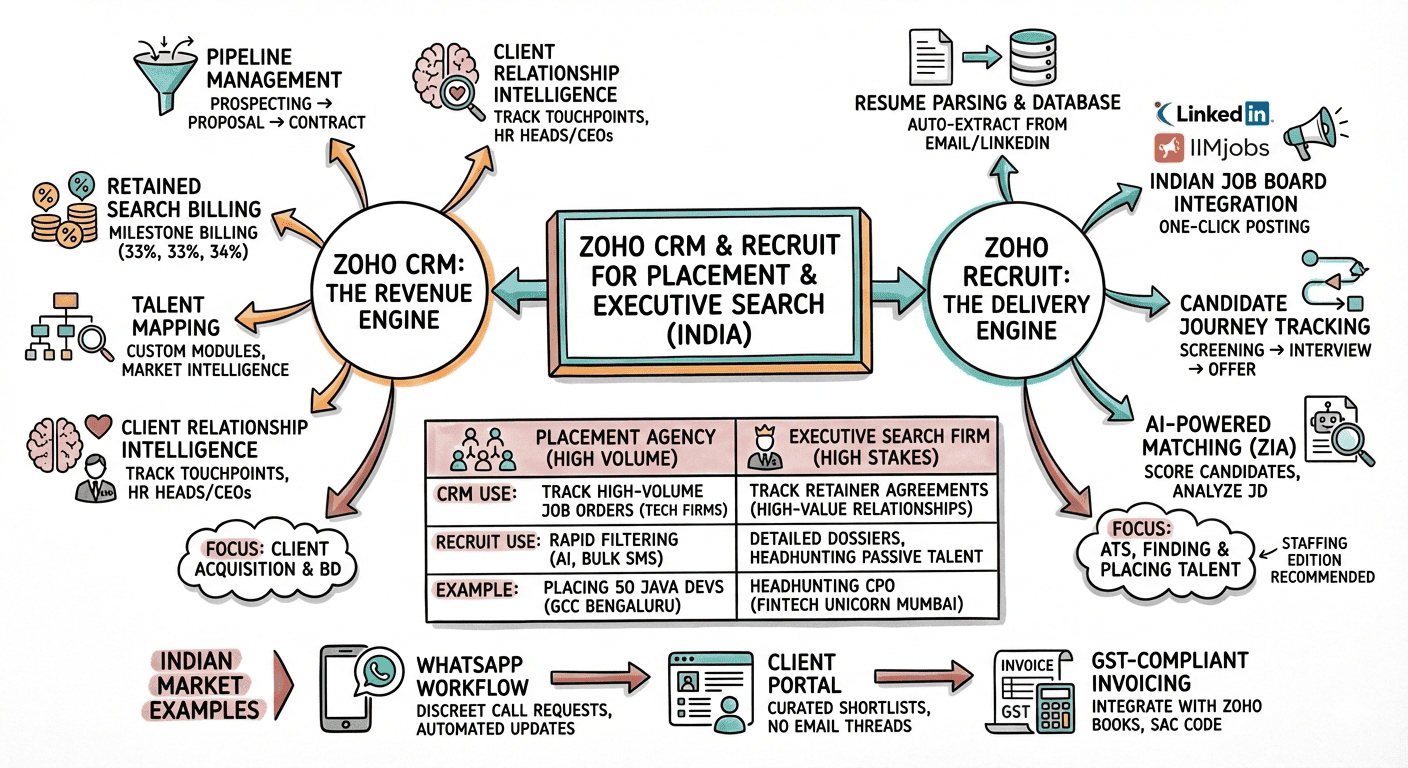
Zoho CRM and Zoho Recruit are not alternatives—they are complementary systems. When implemented with clear ownership and stage-gated integration, they form a single operating backbone for staffing and search firms—connecting sales, delivery, and revenue into one coherent workflow.
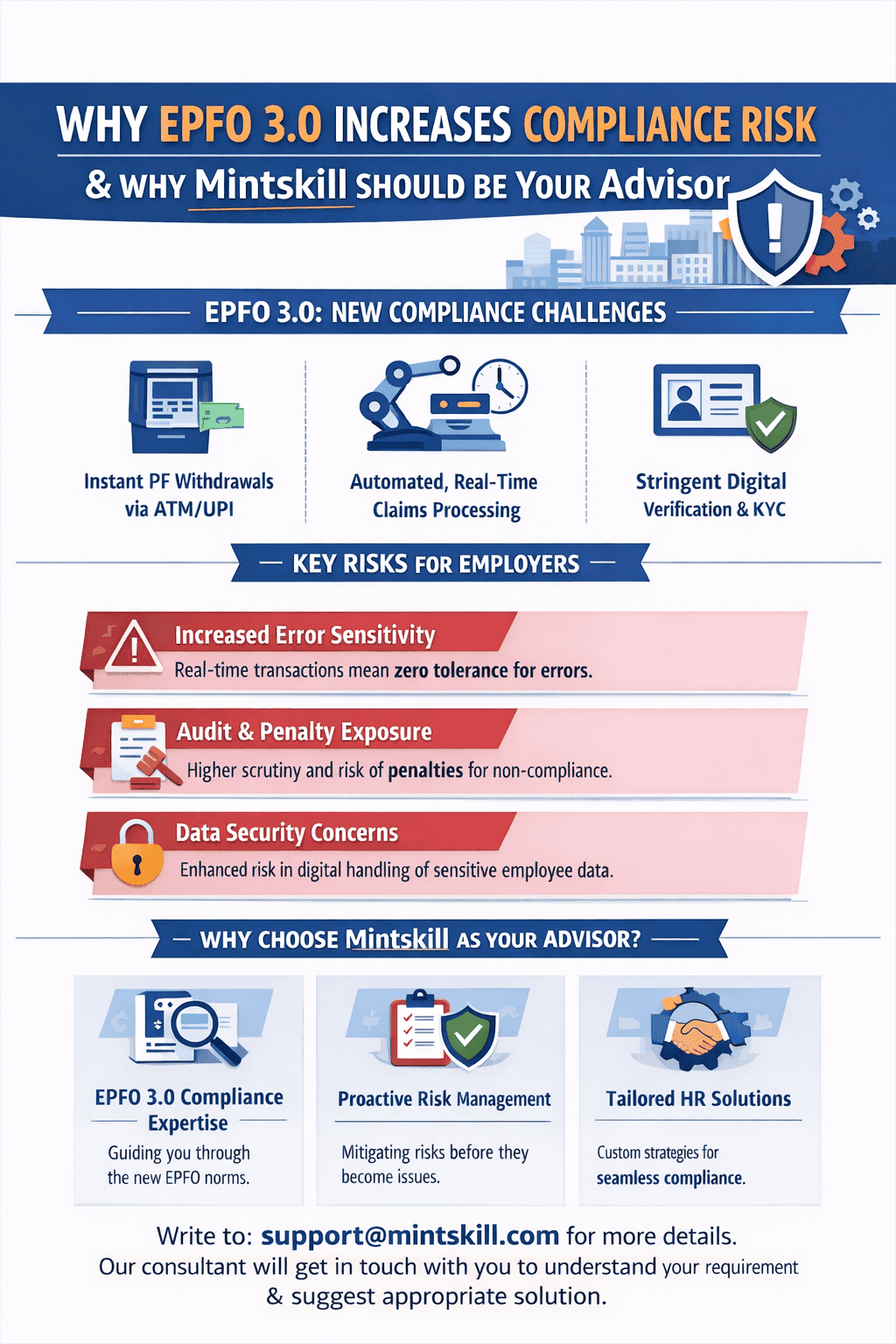
The rollout of EPFO 3.0 marks a decisive shift in India’s social security administration — from a largely procedural, document-driven framework to a real-time, data-led, and automated compliance ecosystem.
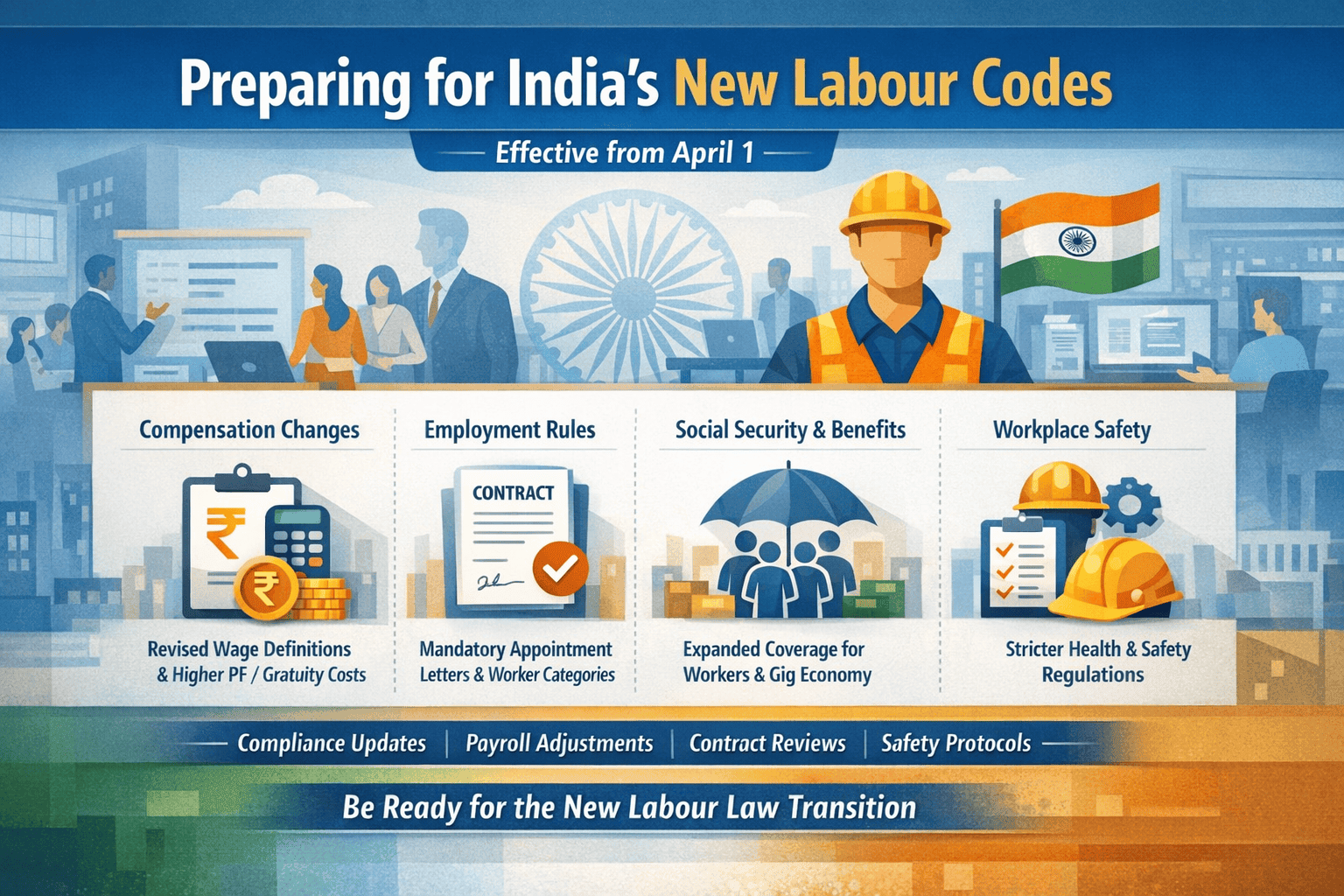
India is approaching a decisive regulatory shift in the way employment, compensation, workforce welfare, and workplace governance are structured. With the Government indicating that the four new Labour Codes may become effective from April 1, aligned with the start of the financial year, organisatio...
Categories
- Uncategorized
(2)
- General
(19)
- HR Advisory
(3)